English
Login

Polyamide (Nylon)

Relevant for

MK4 family
XL family
MINI family
MK3 family
MK3.5 family
+
13 comments
Article is also available in following languages
English
Čeština
Polski
Deutsch
Français
Español
Italiano
日本語

Basic info

Polyamide (Nylon) is a versatile material with excellent thermal and mechanical resistance. It is suitable for printing functional technical parts with high temperature and mechanical resistance requirements. However, it’s very hard to print and therefore recommended for experienced users only.
 
Recommended nozzle temperature: 285 °C
 
Recommended bed temperature: 110 °C
 
Heatbed: The special PA Nylon sheet will provide the best adhesion for most polyamides.

Description

Polyamide is an extremely resilient material, resistant to abrasion, suitable especially for technical parts. It has excellent layer adhesion. In large volumes, it has great mechanical resistance, while in thin layers it remains flexible. Its coefficient of friction is low, melting temperature is high. However, polyamide is hygroscopic, so it is necessary to keep it dry (airtight with desiccant). Improper storage can lead it to absorb water weighing up to 10% of filament weight. Polyamides emit a strong odor with potentially dangerous ultrafine particles (UFPs) so printing in a well-ventilated room or in an enclosure is a must.

To compare supported material properties, see our material table. 

Pros

Cons

✔ Great mechanical resistance

✖ Prone to warping

✔ Tough in large volumes, flexible in thin layers

✖ Highly hygroscopic material

✔ High-temperature resistance


Best use

The best use of polyamide is for printing technical parts requiring great heat, chemical, and mechanical resistance. Pure polyamide is also good for making a cold pull cleaning.

Tips for successful printing

Keep the filament dry

Dry the filament before printing, at least 4 hours at a temperature below 90 °C. Moist polyamide filament makes bubbles, which leads to uneven layers and an ugly surface.

Print it in high ambient temperature

Print settings are usually quite similar to PC - with nozzle temperature around 285 °C. Apart from moisture issues, the main disadvantage of pure polyamide is warping. High ambient temperature (enclosure) helps a lot. However, you can get polyamides filled with carbon fibers, like our Prusament PA11 Carbon Fiber. These filaments don't warp by far as much as the unaltered versions and can be printed without an enclosure.

Sample prints
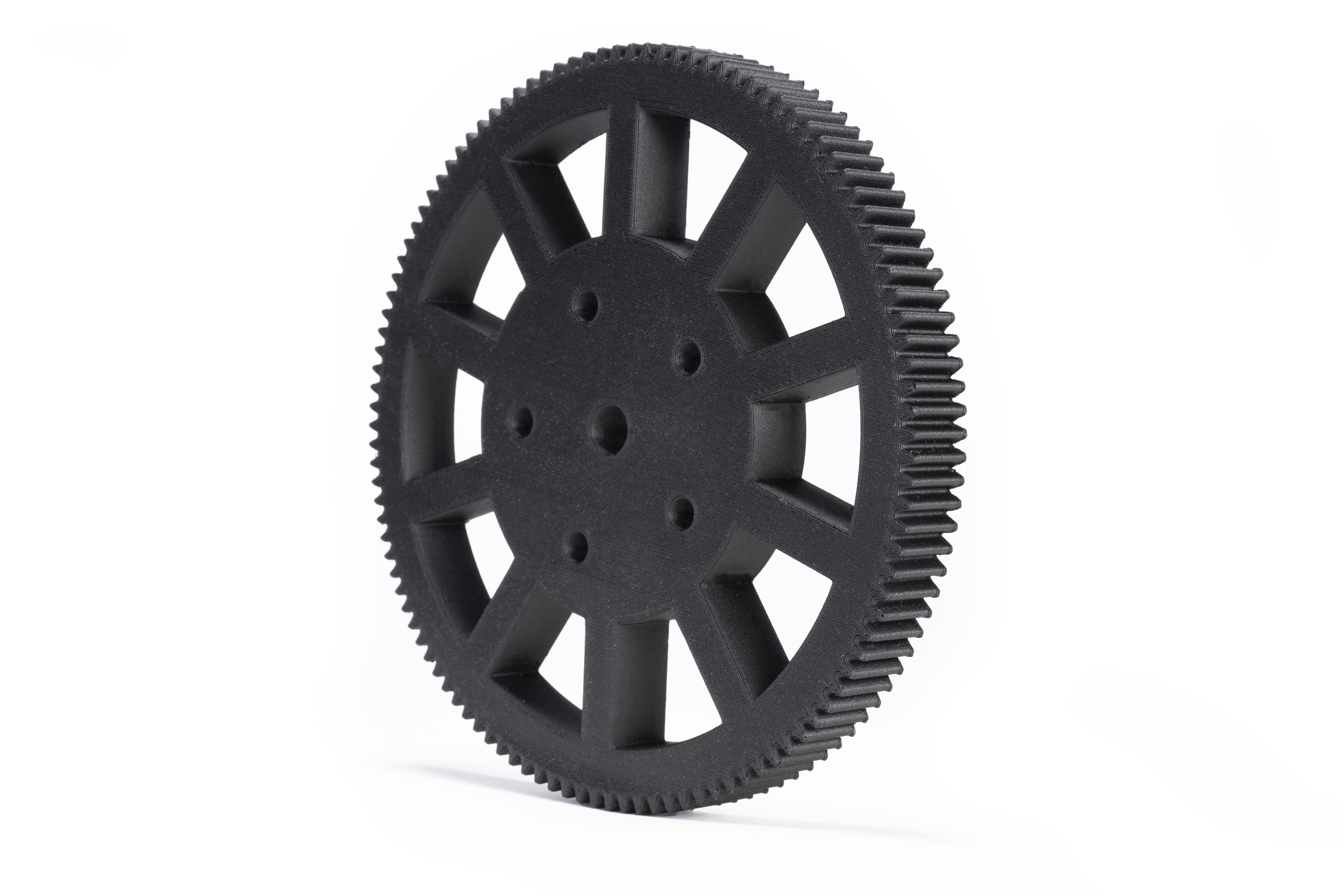
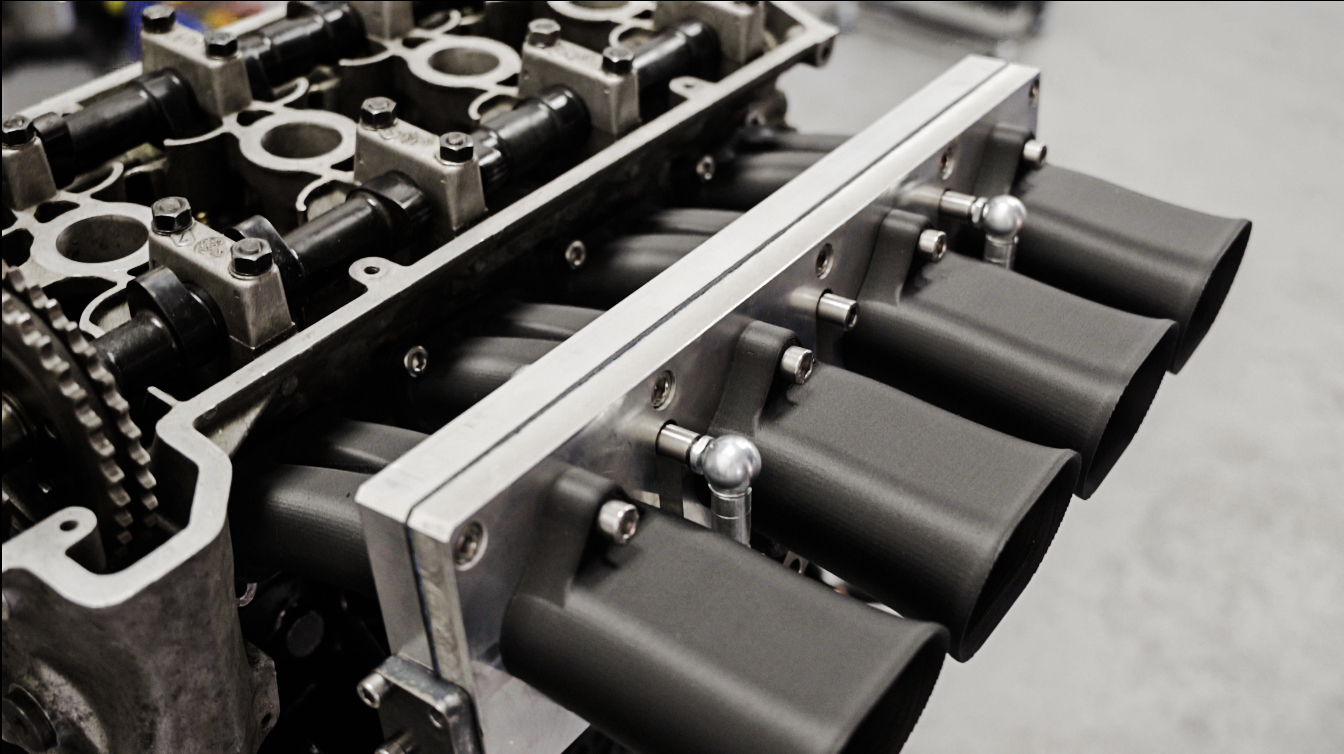
GearsBendable objects
Was this article helpful?
This action is available only to registered users. Please log-in.
 

7 comments

Log in  to post a comment
David Netherwood
Once it is printed, is Nylon/Polyamide still hygroscopic? Can I use it for outdoor/wet projects?
CW
Yes, it's still hygroscopic after printing (at least in the case of PA6 and PA12; I haven't used PA11). I can feel a substantial difference in CF nylon parts during humid seasons compared with a dry winter environment. I think it's fine to use for outdoor and wet projects as long as the project can tolerate a change in the stiffness of the material, which is a way of saying "it depends."
bryn51
bed adhesion issues with nylon/pa. yet prusa offer the pa coated bed plate to help deal with this issue.  
bryn51
please add more details concerning friction coefficient. Nylon is often selected to print gears, bushes etc because o this factor. Its an important selection criterion for nylon/PA.Also the articld does not even  mention
kspear
I'm relieved to share some Nylon success
Using a Mini+ with stock steel sheet bed and plenty of Glue Stick
- Fully dried filament (24hrs at 70c+)
- Nozzle temp 260/260
- Bed 40/40
- Plastic trash bag for a temporary enclosure
- Skirt 6 layers
- Draft shield Fully Enabled
- Brim Outer and Inner, 7mm, 0 gap
- Raft 3 layers, .2 z contact, 1.5 expansion (other defaults)
- Fans Off
 
 
Si Powers
I am printing Nylon645 from a dryer and with an enclosure and heated bed at 100 degrees with brims and also glue stick. Coming out pretty good so far. I suspect some of my (small but annoying) warping occurs as the bed cools down. I was wondering if you have tried controlling the cool down process at the end of the print using gcode to slowly reduce the bed tempature in a controlled way at the end of a print? Any thoughts? I wondered if it might work better than just letting the printer turn off the bed - which would then cool down quite rapidly?
I have not dabbled with manual gcode editing as yet. Thanks!
Giuliano - Official Prusa CS
Hello. You might try to print a skirt a few more layers higher than normal, so that it absorbs the warping issues without the need to modify the gcode to have a slower cooldown.
Si Powers
Thank you Giuliano Dipoppa, much appreciated!